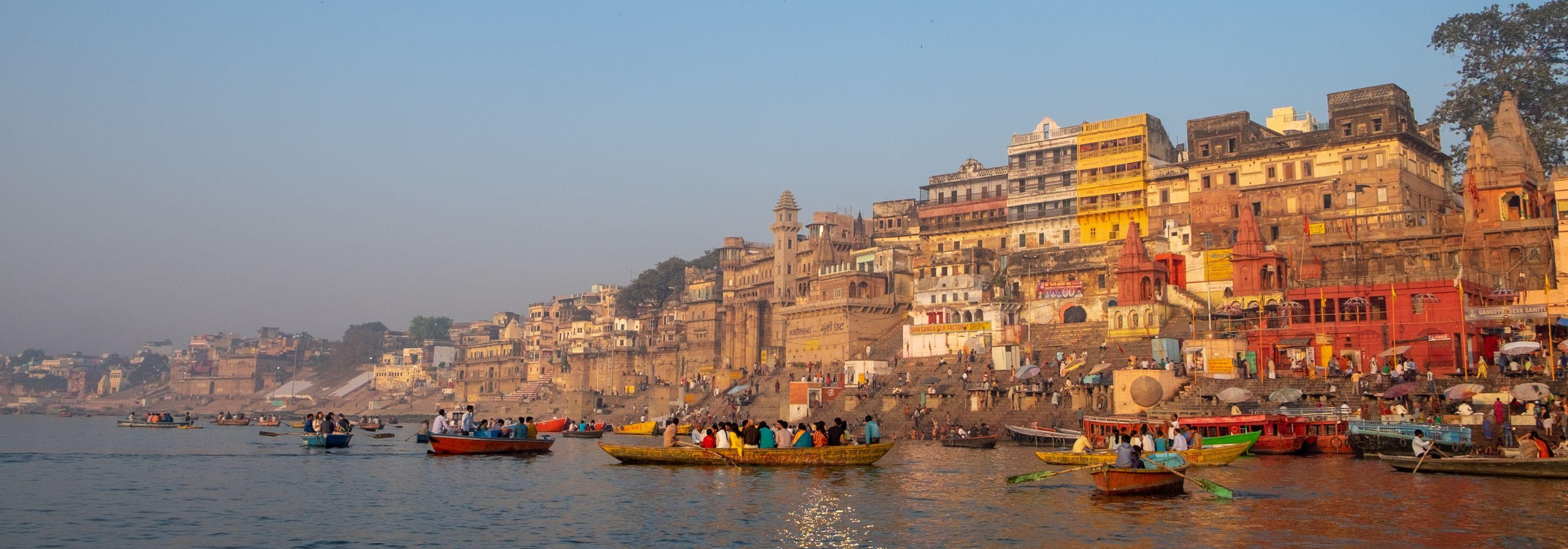
About Varanasi
Varanasi, also known as Benaras,Banaras or Kashi, is a city situated on the banks of Ganga river in the northern Indian state of Uttar Pradesh dating to the 11th century B.C. Regarded as the spiritual capital of India. A major religious hub in India, it is the holiest of the seven sacred cities in Hinduism and Jainism. The city draws Hindu pilgrims who bathe in the Ganges River's sacred waters and perform funeral rites. Along the city's winding streets are some 2,000 temples, including Kashi Vishwanath, the "Golden Temple", dedicated to the Hindu god Shiva.
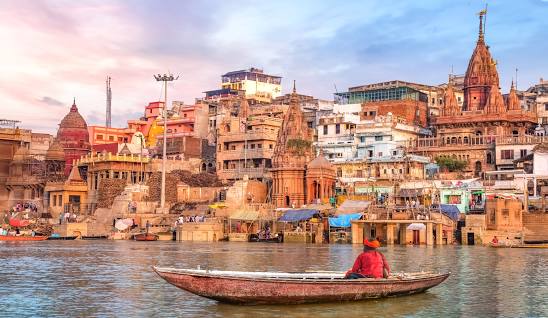
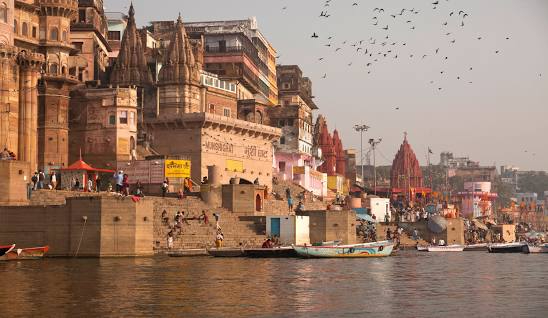
Hindus consider Varanasi, on the banks of the Ganga, as their holiest city. It gets its name from the rivers Varuna and Asi, tributaries that flow in to the Ganga in Varanasi. Also known as the ‘City of Light', legend has it that the city was founded by Lord Shiva himself. Devout Hindus consider frequent pilgrimages to Varanasi essential to attaining liberation or moksh and breathing their last in the city as tantamount to achieving it. The Buddha gave his first sermon, after attaining enlightenment, at Sarnath, close to the city.
The land of Varanasi (Kashi) has been the ultimate pilgrimage spot for Hindus for ages. Hindus believe that one who is graced to die on the land of Varanasi would attain salvation and freedom from the cycle of birth and re-birth. Abode of Lord Shiva and Parvati, the origins of Varanasi are yet unknown.